Your Gut and Your Brain:
How Your Microbiome Shapes Mood, Focus, and Energy
It’s a communication hub
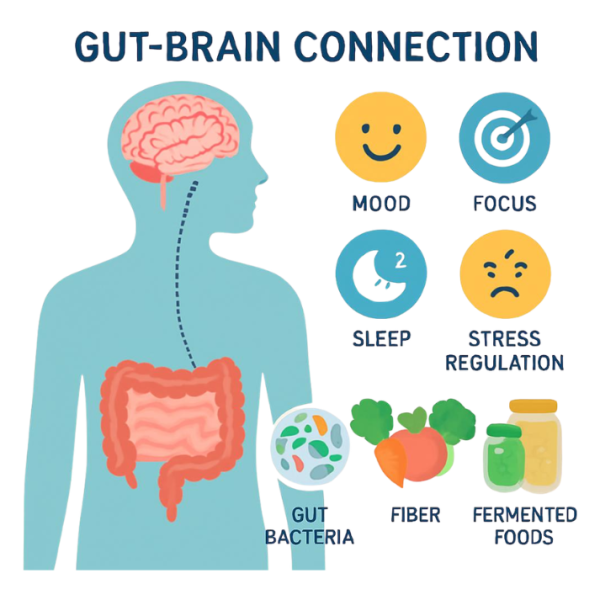
We often think about our gut as just a digestive system breaking down food, absorbing nutrients, and keeping things moving. But the truth is, your gut is so much more than that. It’s a communication hub with your brain, influencing your mood, focus, sleep, and even how you handle stress. Welcome to the world of the gut-brain connection.
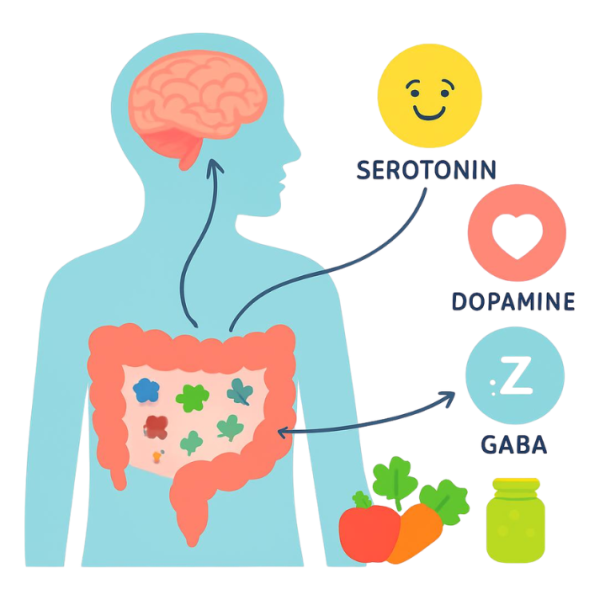
Your gut is home to trillions of microbes:
Bacteria, fungi, and other microorganisms collectively called your microbiome reside within our gut.
These tiny residents don’t just help digest your food; they produce chemicals and metabolites that communicate directly with your brain via the gut-brain axis. This includes neurotransmitters like serotonin, often called the “happy chemical,” which is produced in large part in the gut. That’s right, the state of your gut can literally influence your mood.
How the gut affects your brain
- Mood regulation: Beneficial gut bacteria produce metabolites that influence brain chemistry. When your microbiome is diverse and balanced, it supports stable mood and reduces feelings of anxiety or stress.
- Cognitive function: Certain gut bacteria help your body produce compounds that support memory, focus, and mental clarity.
- Sleep and stress: An unhealthy gut can contribute to inflammation, which affects cortisol and other stress hormones, disrupting sleep and resilience.
Feeding your gut for a healthy brain
The good news is, you can support your gut and your brain with diet and lifestyle choices. Here’s how:
- Fibre is essential: Both soluble and insoluble fibre feed your gut bacteria. Soluble fibre (from oats, legumes, apple pulp) feeds microbes that produce short-chain fatty acids, which reduce inflammation and support brain function. Insoluble fibre (from apple skins, carrot skins, leafy greens) keeps your digestive system moving efficiently.
- Fermented foods: Yogurt, kefir, kimchi, sauerkraut, and miso introduce live bacteria into your gut, supporting microbial diversity and communication with your brain.
- Limit ultra-processed foods: Sugar, refined carbs, and highly processed foods encourage harmful bacteria, which can increase inflammation and negatively impact mood and cognition.
- Whole fruits over smoothies: Eating fruit in its whole form preserves fibre, slows sugar absorption, and supports healthy microbial activity. Blending or juicing breaks down fibre and reduces this protective effect.
Why diversity matters
A diverse gut microbiome is a resilient gut microbiome. Just like in a city, the more different “citizens” you have, the more functions can be covered efficiently. Diverse gut bacteria are better at producing the metabolites your brain needs, supporting mood, focus, and energy throughout the day.
Other lifestyle factors
Nutrition isn’t the only way to support your gut-brain connection. Regular movement, adequate sleep, and stress management through breathing exercises or mindfulness also contribute to a balanced microbiome and healthier brain signalling.
The takeaway
Your gut and your brain are in constant conversation.
A healthy, diverse microbiome supports mood, mental clarity, and stress resilience. By eating a variety of whole, fibre-rich foods, incorporating fermented foods, and avoiding highly processed foods, you give your gut the tools it needs to support your brain.
Remember: feeding your gut well isn’t just about digestion, it’s about energy, focus, and emotional well-being every single day.