Let’s talk about fibre.
Yes, the stuff everyone always says you should eat, but often gets overlooked. Fibre isn’t just filler for your plate; it’s one of the most important parts of your diet, and here’s why.
Is it really "high fibre" cereal?
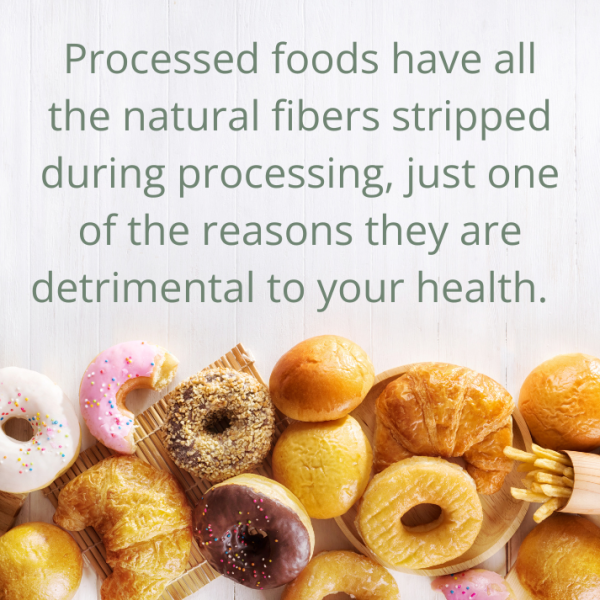
Most processed and ultra-processed foods; think white bread, pastries, chips, packaged snacks, and even “high-fibre” cereals have almost all of their natural fibre stripped out and are often loaded with added sugar.
That means they can spike your blood sugar quickly, causing your body to release more insulin than it should.
Over time, repeated spikes put stress on your metabolism and can lead to insulin resistance.
Fibre works like a team to protect your gut.
Insoluble fibre gives structure to the food moving through your digestive system and helps food move through efficiently.
Examples include the edible skins of fruits and vegetables, like apple skins, carrot skins, or the peel of a sweet potato.
Soluble fibre fills in the gaps like a gel, slowing down sugar absorption and feeding the trillions of good bacteria in your gut — your microbiome as well as acting as a protective barrier to shield the delicate mucosa lining of the gut.
Examples include oats, beans, lentils, and the pulp inside fruits like apples and pears.
Together, these two types of fibre keep your digestive system working smoothly and your blood sugar stable.
Some products, like psyllium husk, are fantastic for helping things move through your gut quickly, but it’s important to know it’s mostly one component of fibre, primarily soluble.
That means it doesn’t feed your microbiome as well as whole foods do.
Psyllium can help with gut motility, but for a truly healthy gut, you need both soluble and insoluble fibre from a variety of foods.

So where do you get fibre?
The best sources are real, whole foods: fruits, vegetables, legumes, nuts, seeds, and whole grains.
Whole fruit is particularly valuable because it provides both soluble and insoluble fibre.
You might have heard the old advice to limit fruit because of the sugar but we say don’t worry about it. The fibre load in whole fruit acts like a shield, slowing sugar absorption and protecting your blood sugar and insulin response.
One thing to watch out for:
Blending fruit into smoothies breaks down much of the insoluble fibre, reducing its protective effect.
Juicing is even worse, as almost all the fibre is removed.
Eating fruit in its whole form keeps both types of fibre intact, helping you feel full longer, stabilizing blood sugar, and feeding your gut bacteria.
Fibre isn’t just something that “keeps you regular”.
It’s a powerhouse for your gut and your metabolism.
Whole, real foods give you both types of fibre and a host of vitamins, minerals, and antioxidants.
Think of fibre as a security team for your gut: it keeps food moving properly, slows sugar spikes, and feeds the friendly bacteria that keep your digestive system healthy.
The takeaway?
Eat whole fruits and vegetables daily as part of a balanced diet and avoid ultra-processed foods and “high-fibre” packaged cereals with added sugar.
Use products like psyllium if you need help moving things along, but remember that it’s just one piece of the fibre puzzle.
Getting a variety of soluble and insoluble fibre is the best way to support your gut, stabilize blood sugar, and optimize long-term health.