Scar Therapy is specialist hands-on support for people with scars from surgery, injury, trauma, medical treatment or tissue change.
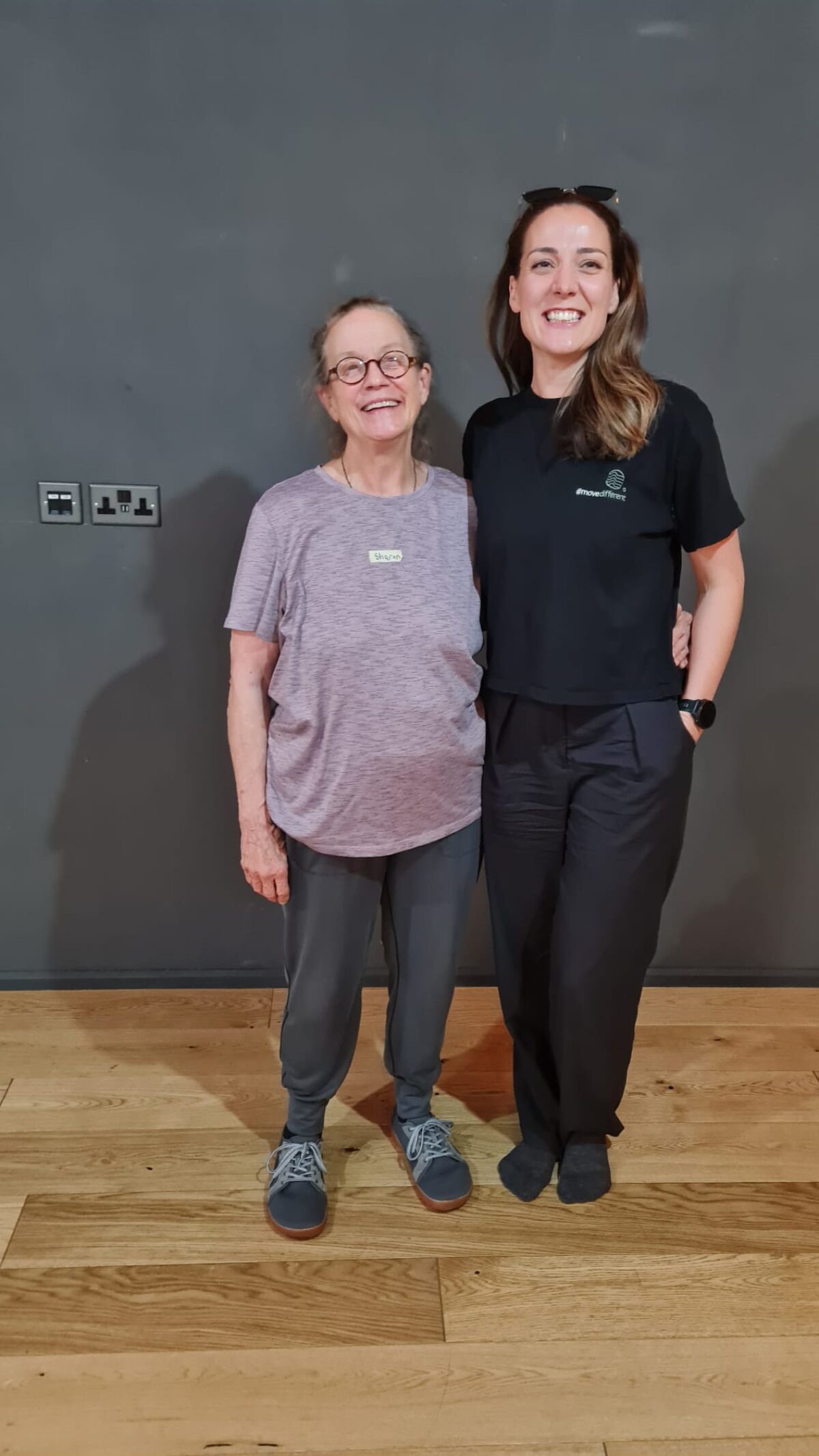
At Restore, Scar Therapy is delivered as part of our wider Specialist Support pathway by Liv, one of New Zealand’s most highly trained scar therapists, with advanced training in Sharon Wheeler ScarWork™ and direct teaching from Sharon Wheeler herself.
We help you understand how scars may influence tissue, sensation, comfort, movement and confidence — then support the scar in a gentle, respectful and whole-body way.
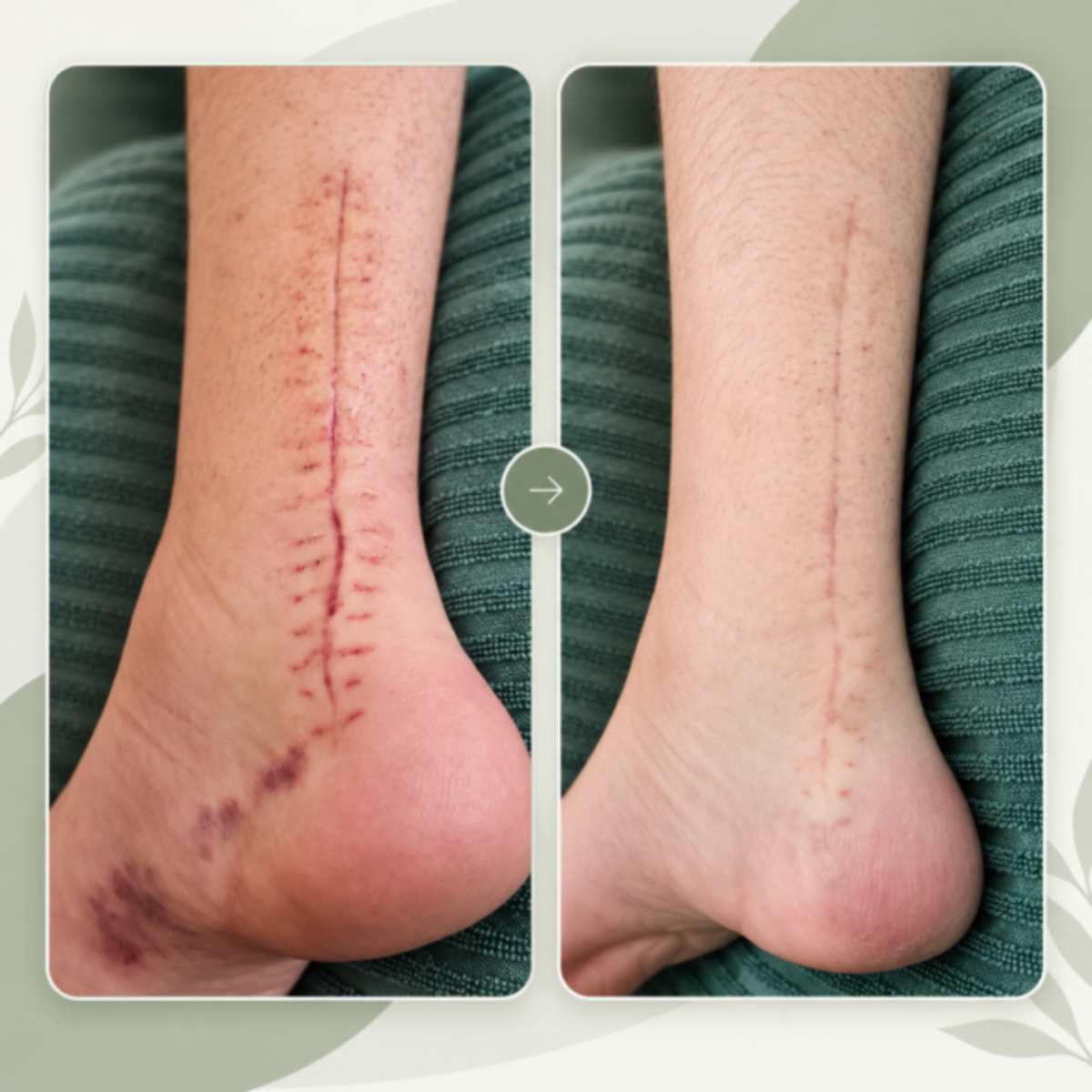
Scar Therapy in simple terms
Scars are not just marks on the skin.
They are areas of tissue change.
For some people, scars can feel tight, sensitive, numb, raised, restricted, uncomfortable or disconnected from the surrounding body.
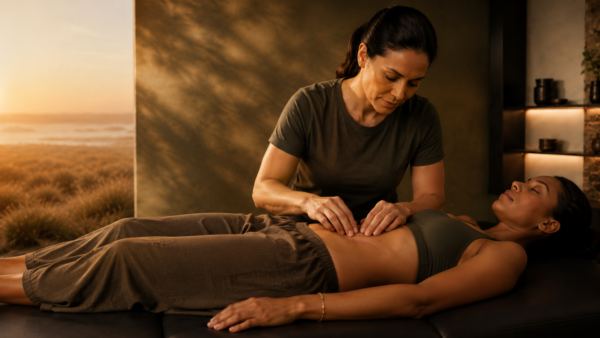
Scar Therapy uses gentle, hands-on techniques to support the scar, the surrounding tissue and the way the area connects into the wider body.
The aim is not to force or break down scar tissue (because it can not be “broken down”).
The aim is to help the tissue feel more integrated, responsive and comfortable, while supporting better movement and body awareness.
What is Sharon Wheeler ScarWork™?
Sharon Wheeler ScarWork™ is a specialist light-touch approach to working with scar tissue.
It was developed by Sharon Wheeler, whose work comes from a Structural Integration background and focuses on helping scars integrate into the fascial web of the body.
ScarWork™ uses gentle, specific techniques for different scar qualities, tissue textures and areas of restriction.
At Restore, ScarWork™ sits within our wider Specialist Support pathway.
That means we are not only looking at the scar itself.
We are also considering your history, movement, comfort, sensitivity, confidence and what your body may need next.
Scar Therapy with advanced training and direct lineage
Scar work is specialist work.
At Restore, Scar Therapy is led by Liv, one of New Zealand’s most highly trained scar therapists.
Liv has undertaken advanced scar therapy training, including Sharon Wheeler ScarWork™, and has been taught directly by Sharon Wheeler herself.
That matters because ScarWork™ is not a generic scar massage technique. It is a specific, gentle and highly skilled approach that requires sensitivity, tissue awareness, clinical reasoning and respect for the person’s history.
Every scar has a story.
Some scars are surgical. Some are traumatic. Some are linked to cancer treatment, birth, injury or medical intervention. Some are physically uncomfortable. Some are emotionally difficult. Some are both.
Liv’s approach combines specialist scar training with Restore’s wider understanding of movement, fascia, breath mechanics, body awareness and nervous system response.
The goal is not just to work on the scar. The goal is to support the person living with it.
Why Restore uses Scar Therapy
Restore is built around the idea that external results start with internal control.
Scars can influence more than the surface of the skin.
They may affect how an area feels, how it moves, how connected it feels, and how comfortable someone feels using that part of their body.
Scar Therapy gives us a specialist way to support tissue change while still keeping the whole person in view.
We use Scar Therapy because it can support the Restore approach:
- Understand the scar and surrounding tissue
- Work gently with the body rather than against it
- Support tissue mobility and comfort
- Improve awareness and connection to the area
- Consider how the scar may influence movement
- Link hands-on work into the wider movement pathway
- Help people feel more confident in their body again
The goal is not just to change the scar.
The goal is to support the person living with it.
What makes Restore’s Scar Therapy different?
Restore does not treat scar work as a quick cosmetic add-on.
Scar Therapy at Restore is delivered with advanced training, direct ScarWork™ lineage and a wider movement-health lens.
Liv is one of New Zealand’s most highly trained scar therapists and has been taught directly by Sharon Wheeler, the originator of ScarWork™.
That depth of training matters.
It means the work is not just about rubbing the scar, softening tissue or trying to change how it looks. It is about understanding the quality of the scar, the surrounding tissue, the person’s history, the nervous system response and how the scar may be influencing comfort, confidence and movement.
At Restore, we consider questions such as:
- How does the scar feel?
- How does the surrounding tissue move?
- Is there numbness, sensitivity or guarding?
- Does the scar feel connected or disconnected?
- Does it influence movement, posture, breathing or confidence?
- Does the person need hands-on work, movement training or both?
- What is the best next step inside the Restore Pathway?
This is what makes Restore’s approach different.
The scar is not treated in isolation.
It is considered as part of the person, their body, their history and their movement pathway.
Scar Therapy is not about forcing tissue
Older approaches to scar tissue often focused on aggressive pressure or the idea of breaking tissue down.
That is not how we approach scar work at Restore.
Scar Therapy and ScarWork™ use a gentle approach that respects the nervous system, the tissue and the person.
Many scars already carry a history of pain, injury, surgery, trauma or medical treatment.
For that reason, the work needs to feel safe, respectful and responsive.
The aim is to work with the body, not push through it.
What can Scar Therapy help with?
Scar Therapy may be useful for people with scars that feel:
- Tight
- Raised
- Thickened
- Sensitive
- Numb
- Itchy
- Restricted
- Uncomfortable
- Pulled or puckered
- Disconnected
- Stuck to deeper layers
- Unsettled during movement
- Difficult to look at or touch
Scar Therapy may also be helpful where a scar seems to influence:
- Movement confidence
- Breathing
- Trunk control
- Shoulder movement
- Hip movement
- Abdominal comfort
- Pelvic or C-section recovery
- Post-surgical tissue mobility
- How comfortable you feel in your body
Who is Scar Therapy for?
Scar Therapy may be suitable if you are asking:
My scar feels tight or restricted.
You feel pulling, puckering, stiffness or restriction around the scar or surrounding area.
My scar feels numb, sensitive or uncomfortable.
You notice altered sensation, tenderness, sensitivity, itchiness or a sense that the area does not feel like it belongs.
I have had surgery.
You have a scar from surgery and want support with tissue mobility, comfort, confidence and movement.
I have a C-section scar.
You want gentle support for an abdominal scar that may feel tight, numb, sensitive, raised or disconnected.
I have an old scar that still bothers me.
The scar may be years old, but still feels uncomfortable, visible, restricted or relevant to how you move.
I feel like my scar affects how I move
You notice changes in movement, posture, breathing, confidence or comfort since the injury, surgery or tissue change.
I want hands-on support that considers the whole body.
You do not want the scar treated in isolation. You want someone to consider the wider picture.
Types of scars we may support
Scar Therapy may be suitable for many types of healed or appropriately cleared scars, including:
- C-section scars
- Abdominal surgery scars
- Joint replacement scars
- Orthopaedic surgery scars
- Keyhole surgery scars
- Mastectomy or breast surgery scars
- Cancer treatment-related scars
- Injury or trauma scars
- Burns, depending on suitability and clearance
- Old scars that still feel relevant
- Newer scars once medically appropriate
What happens in a Restore Scar Therapy session?
A Restore Scar Therapy session is gentle, respectful and guided by your body.
Depending on your needs, your session may include:
- A conversation about your scar, history and goals
- Discussion of surgery, injury, trauma or medical treatment where relevant
- Visual and hands-on assessment of the scar and surrounding tissue
- Gentle ScarWork™ and scar therapy techniques
- Work around the surrounding area, not just the visible scar
- Sensation, comfort and tissue response checks
- Simple movement or awareness work where appropriate
- A recommendation for your next step
You are always in control of the session.
We work at a level that feels appropriate and respectful.
Scar Therapy and movement
Scars can influence movement in ways that are not always obvious.
A scar may feel local, but the tissue around it is part of a wider system.
For example, an abdominal scar may influence breathing, trunk control, hip movement or how comfortable someone feels loading through their centre.
A shoulder or chest scar may influence rib cage movement, shoulder access or upper-body confidence.
A knee or ankle scar may influence how someone trusts the limb, bends, loads or moves through the foot.
At Restore, we consider these relationships because scar work often becomes more useful when it connects back to movement.
Hands-on work can support the tissue.
Movement helps the body use the change.
Scar Therapy vs scar massage
Scar Therapy is not the same as general scar massage.
Scar massage is often used as a broad term for rubbing, mobilising or applying pressure to scar tissue.
Scar Therapy at Restore is more specific.
It considers the quality of the scar, the surrounding tissue, sensitivity, movement, history, nervous system response and the person’s wider goals.
The work is gentle and adapted to the scar rather than applying one technique to every person.
This matters because different scars can feel very different.
Some are raised. Some are flat. Some are numb. Some are sensitive. Some feel stuck. Some feel emotionally difficult. Some seem to affect movement even years later.
The approach needs to match the person in front of us.
Scar Therapy vs Specialist Support
Scar Therapy is one part of Restore Specialist Support.
It may be the right pathway if you already know your scar needs attention.
Specialist Support may be more appropriate if your scar is part of a bigger picture involving movement limitations, stiffness, training goals, previous injury, Fascial Stretch Therapy, Functional Range Conditioning® or individualised programming.
A Movement Profile may be the best starting point if you are unsure whether the scar is the main priority or one part of a wider movement pattern.
Is Scar Therapy the right first step?
-
Book Scar Therapy directly if:
- You already know you want scar support.
- Your scar is healed or medically cleared.
- Your scar feels tight, raised, numb, sensitive or restricted.
- You want hands-on support for a surgical, injury, trauma or treatment-related scar.
- You want a gentle approach that considers more than appearance.
-
Start with a Movement Profile if:
- You are unsure what your body needs.
- You do not know whether the scar is the main priority.
- You feel the scar may be part of a wider movement issue.
- You want Restore to assess your movement and recommend the best pathway.
-
Explore Specialist Support if:
You think you may need scar work alongside FST™, individualised programming, selected FRC® 1:1 or other hands-on support.
The aim is not to keep you dependent on hands-on treatment.
The aim is to use the right support at the right time, then help you build capacity and confidence.
How to get the most from Scar Therapy
Scar Therapy works best when the body has time to respond.
After your session, it can help to:
- Notice how the scar and surrounding area feel
- Pay attention to changes in sensation, softness or movement
- Avoid aggressively poking, rubbing or testing the area
- Follow any guidance given in your session
- Use gentle movement where appropriate
- Stay aware of breathing, posture and comfort
- Book follow-up only if it is useful
- Consider Restore Online or movement support if you need ongoing consistency
Scar Therapy is often subtle, but that does not mean it is insignificant.
Gentle work can create meaningful change when it is applied well.
Frequently asked questions
What is Scar Therapy?
Scar Therapy is specialist hands-on support for scars and surrounding tissue. It may help improve tissue mobility, comfort, sensation, body awareness and how the scar connects with the wider body.
What is Sharon Wheeler ScarWork™?
Sharon Wheeler ScarWork™ is a gentle, light-touch approach developed to help integrate scar tissue into the fascial web. At Restore, it is used as part of our wider Specialist Support pathway.
What makes Liv’s Scar Therapy training different?
Liv is one of New Zealand’s most highly trained scar therapists, with advanced training in Sharon Wheeler ScarWork™ and direct teaching from Sharon Wheeler herself.
Her work combines specialist scar therapy with Restore’s wider understanding of movement, fascia, breath mechanics, body awareness and nervous system response.
Who developed Sharon Wheeler ScarWork™?
ScarWork™ was developed by Sharon Wheeler. It is a gentle, specialist approach to working with scar tissue and helping scars integrate more comfortably with the surrounding fascial system.
Is Restore Scar Therapy just scar massage?
No. Scar massage is often used as a broad term. Restore Scar Therapy is more specific and is informed by Sharon Wheeler ScarWork™, advanced scar training, tissue awareness, movement understanding and the person’s wider history.
Is Scar Therapy painful?
Scar Therapy should not feel forceful. The approach is gentle, responsive and respectful of the tissue and nervous system. Some areas may feel sensitive, but the work should feel appropriate to you.
Can Scar Therapy help old scars?
Scar Therapy may be useful for both newer and older scars, provided the scar is healed and suitable for hands-on work. Many people seek support for scars that are years old but still feel tight, numb, raised, sensitive or restricted.
Can Scar Therapy help C-section scars?
Scar Therapy may be suitable for C-section scars once the area is healed and medically appropriate. It may help support tissue mobility, comfort, sensation, connection and confidence around the area.
Is Scar Therapy the same as scar massage?
No. Scar massage is often a broad term. Scar Therapy at Restore is more specific and considers the scar quality, surrounding tissue, sensitivity, history, movement and the person’s wider goals.
What types of scars can Scar Therapy support?
Scar Therapy may support scars from surgery, injury, trauma, medical treatment, C-sections, joint replacement, abdominal surgery, keyhole surgery, breast surgery, Oncology and other tissue changes, depending on suitability.
When can I start Scar Therapy after surgery?
The scar needs to be healed and medically appropriate for hands-on work. If you are unsure, check with your medical provider or contact Restore before booking.
Can Scar Therapy change the appearance of a scar?
Scar Therapy may help scars feel softer, flatter or more mobile, and some people notice appearance changes. The main focus at Restore is tissue comfort, mobility, integration, confidence and how the scar relates to the wider body.
Can Scar Therapy help numbness?
Some people notice changes in sensation after scar work. This varies between people and scars. We assess and respond to the tissue in front of us rather than promising a specific result.
Does Scar Therapy replace medical care?
No. Scar Therapy does not replace medical care, diagnosis, wound management, surgical review or oncology care. It is a hands-on support option for suitable scars.
Is Scar Therapy suitable after cancer treatment?
It may be suitable for some people after cancer treatment, depending on the scar, treatment history, medical clearance and individual needs. Restore has specialist scar therapy experience and will work within appropriate scope.
Do I need a Movement Profile before Scar Therapy?
Not always. If you already know you want scar support, you may book Scar Therapy directly. If you are unsure whether the scar is part of a wider movement issue, a Movement Profile may be the best starting point.
Where is Scar Therapy available?
Scar Therapy may be available through Restore’s North Canterbury home-based setting, Christchurch availability or selected appointment options depending on the current schedule.
Ready to support your scar?
Book Scar Therapy directly if you already know your scar needs specialist hands-on support.
Explore Specialist Support if you want to understand how Scar Therapy, Fascial Stretch Therapy, Individualised Programming and selected 1:1 movement work fit together.
Book a Movement Profile if you are unsure what your body needs or where to start.